Somewhere around 60, a lot of people start paying closer attention to their memory. You walk into a room and forget why, or a name sits just out of reach, and you wonder what that means.
There is no habit that guarantees a sharp mind for life. But researchers who study brain health, including the National Institute on Aging, keep pointing to the same handful of everyday habits that are linked with better brain health as people get older.
None of these require a special product or a subscription. They are ordinary things done regularly, over years.
Move Your Body Most Days
Physical activity is one of the habits most consistently linked with brain health in older adults. A daily walk, gardening, dancing, swimming, anything that gets your heart working a little harder counts.
You do not need an intense workout. Regular movement, most days of the week, appears to matter more than any single hard effort.
Stay Connected to People
Staying social, whether that means a weekly phone call with your children, a standing lunch with friends, a faith community, or a volunteer shift, is linked with healthier brain aging. Isolation tends to move in the other direction.
If your usual circle has gotten smaller, even one regular activity with other people, a class, a card game, a walking group, can help rebuild that connection.
Keep Learning Something New
Trying something your brain has not done before, a new language, an instrument, a craft, a route you have never walked, is linked with brain health in a way that repeating a familiar routine is not.
The activity itself matters less than the newness of it. A crossword you have solved a thousand times works your memory less than something genuinely unfamiliar.
Manage Your Blood Pressure
High blood pressure over many years is linked with a higher risk of problems with memory and thinking later on. Keeping it in a healthy range, through diet, movement, and medication when your doctor prescribes it, is one of the more evidence backed steps you can take.
If you are not sure what your numbers mean or whether they are where they should be, ask your doctor at your next visit rather than guessing.
Take Hearing and Vision Seriously
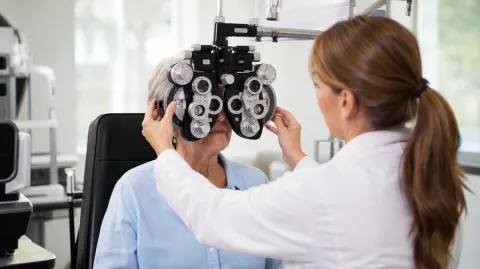
Hearing loss and vision problems that go untreated are linked with a higher risk of cognitive decline, likely in part because they cut you off from conversation and from the world around you. Treating them, with hearing aids or updated glasses, is linked with better outcomes.
A few habits worth building into a yearly routine:
- A hearing check, especially if people seem to be mumbling more than they used to
- An eye exam, especially if reading or driving at night feels harder
- Wearing the hearing aids or glasses you already have, not just owning them
Protect Your Sleep
Good sleep is linked with better memory and clearer thinking the next day. Poor sleep over a long stretch is linked with more trouble concentrating and, in some research, a higher long term risk to brain health.
Treating sleep as something worth protecting, a steady bedtime, a cool dark room, is not a small thing here.
Small Habits, Kept Up for Years
None of these habits are a guarantee, and no researcher will tell you they prevent memory loss or dementia. What the evidence shows is a link, built from studying large groups of people over long periods of time.
That is still worth something. A body of ordinary habits, movement, connection, learning, managing blood pressure, treating hearing and vision, and protecting sleep, kept up for years rather than days, is the most solid ground anyone can offer you right now.