Original Medicare covers a lot, but not everything you might expect. Several common types of care fall outside it entirely, and finding that out at the pharmacy counter or the dentist's chair is an unpleasant surprise.
Knowing the gaps ahead of time lets you plan for them, whether that means budgeting for the cost yourself or looking into a plan that adds some of these benefits back in. Here is what Original Medicare typically leaves out.
Your Teeth Are Mostly on Your Own
Original Medicare does not cover most dental care. That includes cleanings, fillings, dentures, and most other routine dental work.
There are narrow exceptions tied to certain medical procedures, but for day to day dental care, you should plan to pay out of pocket or look elsewhere for coverage.
A separate dental plan, or a Medicare Advantage plan that includes some dental benefits, are the two common ways people fill this particular gap. Either way, it helps to ask exactly what is included before you need a filling or a crown, not after.
Glasses Usually Aren't Covered, With One Exception
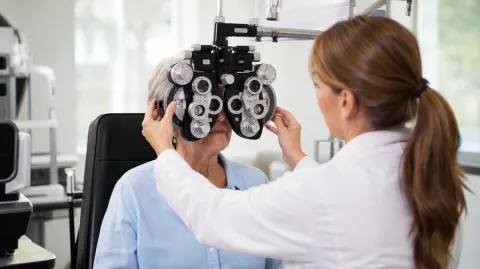
Routine eye exams for glasses, and the glasses themselves, are generally not covered by Original Medicare. Neither are contact lenses in most cases.
The one notable exception is after cataract surgery. Medicare does help cover corrective lenses in that specific situation. Outside of it, vision correction is on you.
It helps to know the line here. Medicare does typically cover exams and treatment tied to an actual eye disease, such as glaucoma testing for people at higher risk. The exclusion is specifically for routine vision checks aimed at getting a new glasses prescription.
Hearing Aids Aren't Included
Hearing aids, and the exams needed to fit them, are not covered by Original Medicare. This surprises a lot of people, since hearing loss is common as we age.
If a hearing aid is recommended to you, ask your provider about the full cost up front, since it can vary quite a bit. It is worth asking about payment plans before you commit to anything.
Long-Term Custodial Care Isn't What Most People Assume
Original Medicare does not cover long-term custodial care, meaning ongoing help with daily activities like bathing, dressing, or eating when that is the main kind of help needed.
Medicare does cover some short-term skilled nursing and rehab after a hospital stay, under specific conditions. That is different from ongoing custodial help at home or in a facility, which falls outside Medicare in most cases.
Medicaid, a separate program with its own eligibility rules, does sometimes cover long-term custodial care for people who qualify. That application process is different from anything to do with Medicare, so treat it as its own task.
Care Outside the Country, and Cosmetic Procedures
Original Medicare generally does not pay for care received outside the United States, with a few narrow exceptions tied to specific situations. If you travel outside the country often, this is worth planning around ahead of time rather than discovering it in an emergency room abroad.
Cosmetic surgery is also excluded, unless it is needed to repair a body part after an accidental injury or to fix a malformation.
Where Medicare Advantage Plans Fit In
Some Medicare Advantage plans include limited dental, vision, or hearing benefits that Original Medicare does not offer. What is included varies a great deal from plan to plan, and no plan works exactly the same way.
We are not naming or recommending any specific plan or insurer here. If this matters to you, ask directly about these benefits before you enroll in anything, and read the details rather than the marketing. A few questions worth asking:
- Does it cover dental, and if so, cleanings only or also crowns and dentures?
- Does it include a routine vision exam and a set amount toward glasses?
- Does it help with a hearing exam, a hearing aid, or both?
The right question is never "does it have dental." It is "what exactly does the benefit pay for, and how much." That second question is the one that actually protects your wallet.
Plan Ahead of the Bill, Not After It
None of these gaps mean Original Medicare is a bad deal. It simply was not built to cover every kind of care, and knowing that in advance lets you budget for dental, vision, and hearing costs instead of being caught off guard.
At the time of writing, this reflects Original Medicare's standard exclusions. Check Medicare.gov for the current, complete list, since coverage rules can change.