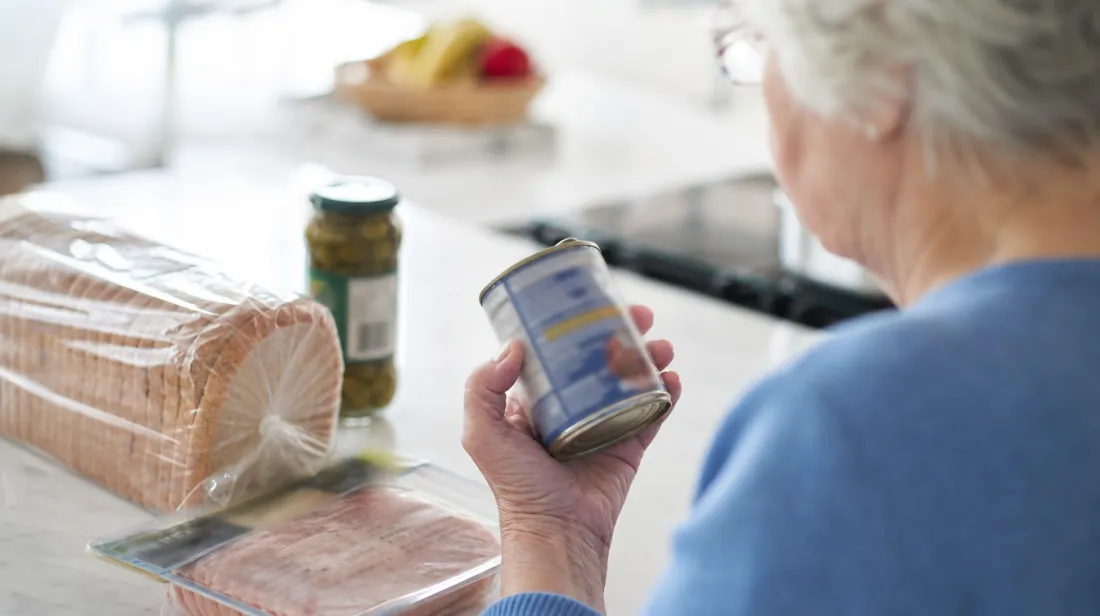
If you pictured someone eating too much salt, you probably pictured a hand reaching for the shaker. But most of the sodium in the average American diet does not come from the shaker at all.
It comes from packaged and restaurant foods, often ones that do not taste salty at all. That is exactly what makes it easy to eat more than you realize.
Once you know where to look, spotting it becomes a habit rather than a chore. It just takes knowing which foods tend to carry it and where to check.
The Usual Suspects
Bread is one of the biggest sources of sodium in the average diet, not because any one slice is salty, but because people eat it so often, in sandwiches, toast, and rolls throughout the week. Deli meat is another, since the curing and processing that keeps it fresh also adds sodium.
Canned soup, pizza, and cheese round out the list of everyday foods that carry a lot of sodium without tasting like a salt lick. None of these foods announce themselves as salty the way a bag of chips does, which is exactly the problem.
Why the Label Is the Real Test
Taste is a poor guide to how much sodium is actually in a food, since sugar, fat, and seasoning can mask a lot of salt. The Nutrition Facts label is the only reliable way to know what you are actually eating.
The Daily Value for sodium is 2,300 milligrams a day. Checking the label against that number, rather than trusting your tongue, is the habit that actually protects you.
Reading the Label Quickly
A few things to look for on the label:
- The sodium amount per serving, and how many servings are actually in the package or container
- The percent Daily Value listed next to sodium, which shows how much of your day's 2,300 milligrams that serving uses up
- The words "low sodium" on the front, which by definition means 140 milligrams or less per serving
- Comparing two similar products side by side, since sodium can vary a great deal between brands of the same food
Comparing two brands of the same soup or bread can turn up a real difference, sometimes a large one, for the same food doing the same job on your plate.
One Easy Habit With Canned Beans
Canned beans are a genuinely useful, inexpensive food, but the liquid they sit in carries a good amount of sodium. Draining and rinsing canned beans under running water for a minute lowers the sodium they carry before they ever reach your plate.
It is a small step that takes seconds and costs nothing, and it works with almost any canned bean you buy.
If You Are on a Sodium Limit
Some people are told by their doctor to keep their sodium under a specific number, lower than the general 2,300 milligram guideline, often because of blood pressure or heart or kidney conditions. If that is you, follow the number your doctor gave you rather than a general guideline like this one.
Bring your specific number with you when you shop, and let the label do the work of checking it against that number.
Reading Labels Gets Faster With Practice
The first few times you check a label against the 2,300 milligram guideline, it can feel slow and a little tedious. That gets faster with practice, and soon you will know at a glance which of your usual foods run high and which do not.
Small, steady label-reading habits add up over weeks and months in a way that no single meal ever will. That is really the whole idea behind paying attention to where the sodium hides.